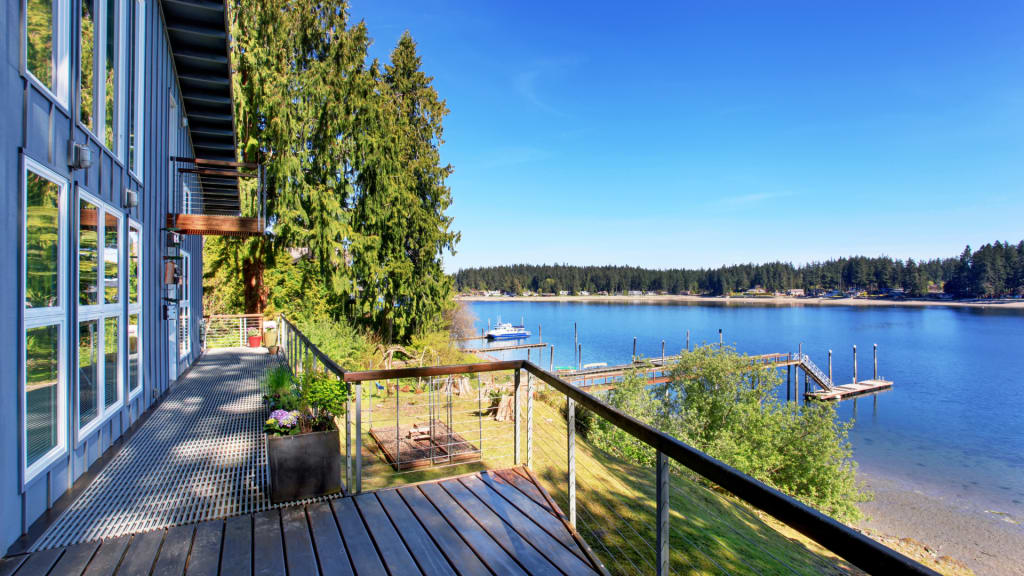
How Flood Zones Affect Buying and Selling in Alabama

Flood zones are an important factor to consider when buying or selling a home in Alabama. With its rivers, lakes, coastal areas, and periods of heavy rainfall, certain parts of the state are more prone to flooding than others. Understanding how flood zones work and how they can impact a real estate transaction helps both buyers and sellers make informed decisions throughout the process.
Flood zones are determined by the Federal Emergency Management Agency (FEMA), which creates flood maps that identify areas with varying levels of flood risk. These maps, known as Flood Insurance Rate Maps (FIRMs), categorize properties based on their likelihood of flooding. High-risk areas are typically labeled as Special Flood Hazard Areas (SFHAs), which include zones such as AE or VE. Properties located in these zones have a higher statistical chance of experiencing flooding during a 30-year mortgage period.
For buyers, purchasing a home in a designated flood zone often means flood insurance will be required by the mortgage lender. Most flood insurance policies are obtained through the National Flood Insurance Program (NFIP), which is managed by FEMA. The cost of flood insurance varies depending on factors such as the property’s elevation, construction type, and specific flood zone designation. Buyers should factor this cost into their overall housing budget, as it becomes an ongoing expense in addition to homeowners insurance.
Flood zones can also influence property inspections and due diligence during the buying process. Buyers may choose to review flood maps, elevation certificates, and the property’s flood history to better understand the level of risk. In some cases, a property located near water may not actually fall within a high-risk zone, while another property farther inland may still require flood insurance due to local drainage patterns or historical flooding.
For sellers, a property located in a flood zone does not automatically mean it will be difficult to sell, but it does require transparency. In Alabama, sellers are expected to disclose known issues that could affect the value or safety of the property. Providing information about past flooding, drainage improvements, or existing flood insurance policies can help buyers feel more confident about the purchase. If the home has never experienced flooding despite being in a designated zone, sharing that history can also provide helpful context.
Flood zones may also influence a home’s marketability and pricing strategy. Some buyers are cautious about properties located in high-risk areas because of the added insurance cost and perceived risk. However, other buyers may be comfortable with the situation—especially if the home is located near desirable features such as lakes, rivers, or coastal areas. In many cases, properties in flood zones remain attractive when they offer strong location benefits, proper drainage systems, or elevated construction.
It’s also worth noting that flood maps can change over time. As new data becomes available or drainage and infrastructure improvements are made, FEMA may update flood zone designations. In some cases, homeowners can request a map amendment if a property’s elevation proves it is less likely to flood than originally estimated.
Whether buying or selling, understanding flood zones is an important part of navigating the Alabama real estate market. By reviewing flood maps, considering insurance costs, and working with knowledgeable professionals, both buyers and sellers can make confident decisions while protecting their investment.