
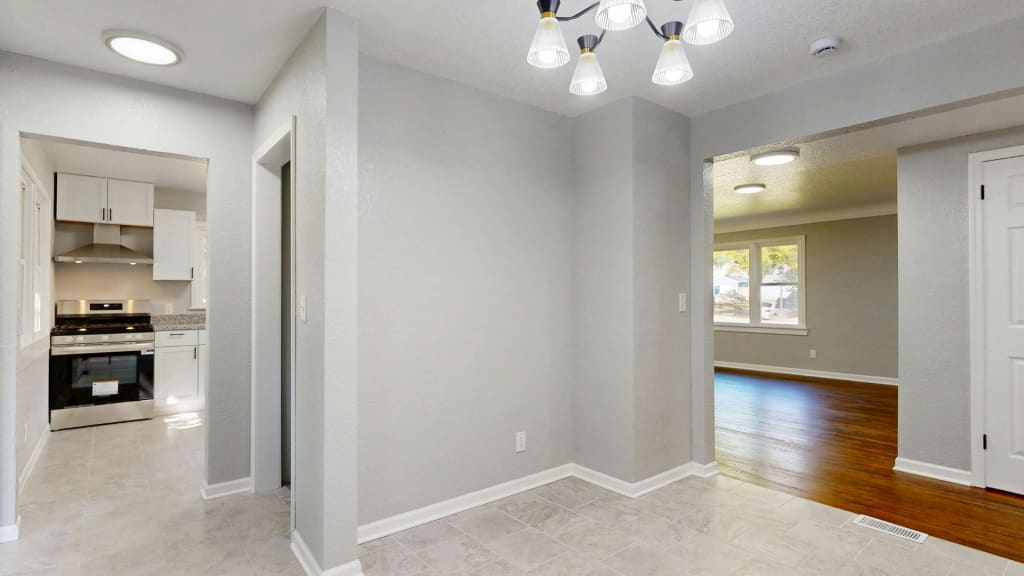
How to Analyze a Rental Property in Alabama Using the 1% Rule

Investing in rental property can be a powerful way to build long-term wealth, especially in a landlord-friendly state like Alabama. But before you buy, it’s critical to run the numbers. One of the simplest and most popular tools real estate investors use is the 1% Rule. While it’s not a perfect metric, it’s a fast way to screen potential rental properties and decide whether a deeper analysis is worth your time.
What Is the 1% Rule?
The 1% Rule states that a rental property should generate at least 1% of its purchase price in gross monthly rent. For example, if a property costs $200,000, it should ideally rent for $2,000 per month. If it does, the property may be worth further consideration. If it falls well below that threshold, it may struggle to cash flow—especially once expenses are factored in.
This rule is best used as a quick filter, not a final decision-maker.
Why the 1% Rule Works Well in Alabama
Alabama is often attractive to real estate investors because of its relatively low home prices, strong rental demand, and reasonable property taxes. In many Alabama markets—such as Birmingham, Huntsville, Montgomery, and parts of Mobile—it’s still possible to find properties that come close to or even exceed the 1% benchmark.
That said, results can vary significantly by neighborhood. A $150,000 home in one area may rent easily for $1,500, while a similar home elsewhere may only command $1,100. Local knowledge matters.
How to Apply the 1% Rule Step by Step
- Determine the Total Purchase Price
Include not just the listing price, but also expected closing costs and any immediate repairs or renovations needed to make the property rent-ready. - Estimate Market Rent
Look at comparable rental properties in the same neighborhood. Online rental platforms and local property managers can provide realistic rent expectations. - Do the Math
Multiply the total purchase price by 1%. If the estimated monthly rent meets or exceeds that number, the property passes the initial test.
Example:
Purchase price + repairs = $180,000
1% target rent = $1,800/month
Important Limitations to Keep in Mind
The 1% Rule does not account for expenses like:
- Property taxes and insurance
- Maintenance and repairs
- Vacancy rates
- Property management fees
- HOA dues (if applicable)
In Alabama, property taxes are relatively low compared to many states, which can help cash flow—but insurance costs, maintenance on older homes, and vacancy risk still matter.
The 1% Rule is a helpful starting point for analyzing rental properties in Alabama, especially if you’re evaluating multiple deals quickly. Think of it as a first impression, not the final verdict. Once a property passes the 1% Rule, a detailed cash flow analysis is essential before making an offer.