The Most Common Repair Issues Found in Alabama Homes (and What They Mean)

When buying or selling a home in Alabama, a home inspection often reveals a handful of recurring repair issues. While some may sound alarming at first, many of these findings are common and manageable with proper maintenance or repair. Understanding what inspectors typically find—and what those issues actually mean—can help both buyers and sellers approach the process with confidence.
One of the most common repair issues found in Alabama homes is foundation movement or cracking. Alabama’s soil often contains expansive clay, which expands when it absorbs moisture and shrinks during dry periods. This constant movement can place pressure on a home’s foundation, leading to cracks, uneven floors, or doors that stick. While small cracks are often cosmetic, larger cracks or structural shifts may require professional evaluation to ensure the home remains stable.
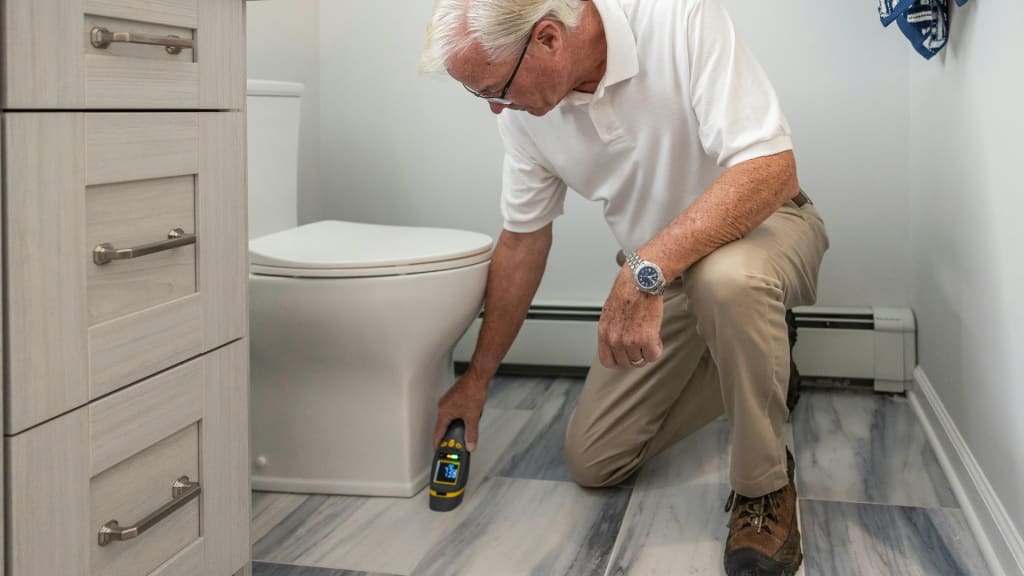
Moisture intrusion and mold are another frequent concern. Alabama’s warm, humid climate makes homes especially vulnerable to moisture buildup in crawl spaces, attics, and basements. Signs of moisture problems may include musty odors, peeling paint, or visible mold growth. In many cases, the issue stems from poor ventilation, drainage problems, or small plumbing leaks that have gone unnoticed. Addressing moisture quickly is important, since prolonged exposure can lead to wood rot, mold growth, and potential health concerns.
Roofing issues are also commonly identified during inspections. Alabama experiences heavy rainfall, high humidity, and occasional storms, all of which can shorten the lifespan of roofing materials. Inspectors often find missing or damaged shingles, worn flashing, or clogged gutters that allow water to penetrate the roof. While some roof repairs are minor maintenance items, older roofs nearing the end of their lifespan may require partial or full replacement.
Plumbing concerns frequently appear on inspection reports as well. Leaky pipes, dripping faucets, or outdated piping materials are typical issues in both older and newer homes. Even small leaks can lead to larger problems if ignored, including water damage, mold, or structural deterioration. Catching plumbing problems early often prevents much more expensive repairs down the road.
Electrical system deficiencies are another common finding. Many older homes in Alabama were built before modern electrical demands, meaning inspectors may find outdated wiring, insufficient amperage, or missing safety features such as ground fault circuit interrupter (GFCI) outlets in kitchens and bathrooms. While these issues are often correctable, updating the electrical system can improve safety and bring the home up to current code standards.
Finally, drainage and grading problems are frequently discovered around the exterior of Alabama homes. If the ground slopes toward the house instead of away from it, rainwater can collect near the foundation. Over time, this can contribute to foundation damage, crawl space moisture, and interior water intrusion. Simple solutions such as extending downspouts or improving landscaping drainage can often resolve the problem.
While these issues may sound concerning, it’s important to remember that most homes—especially older ones—will have at least a few items listed on an inspection report. The key is understanding which repairs are routine maintenance and which may require more significant attention. With the help of a knowledgeable real estate professional and qualified contractors, buyers and sellers can navigate these findings and move forward with confidence.